
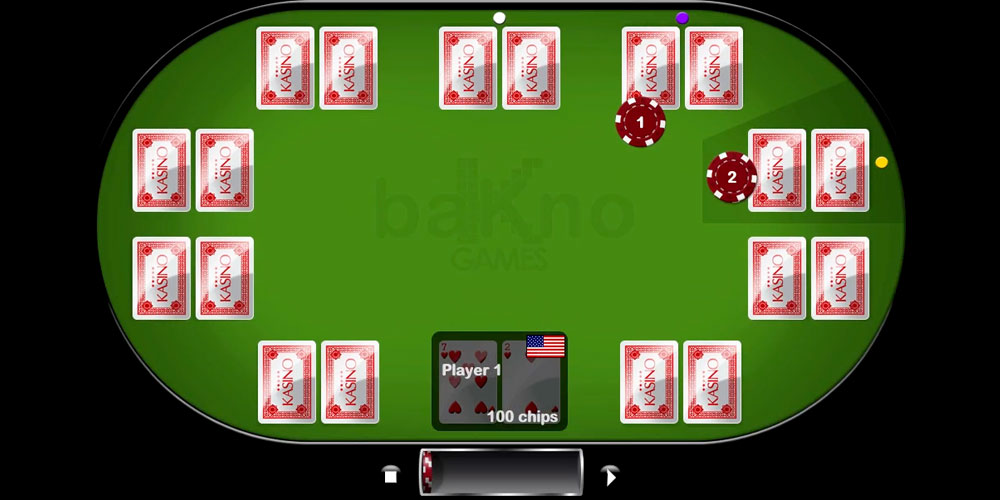
You want straightforward, practical steps to win more at ceme online without wasting time on myths or gimmicks. Apply clear rules knowledge, simple betting strategies, and disciplined bankroll management to improve your chances and play more confidently. This article breaks down the essentials you need — from basic hand values and smart stake sizing to spotting reliable platforms and using bonuses wisely.
Expect concise, actionable guidance that helps you avoid common mistakes and refine your play across real sessions. The following sections cover rules, consistent strategies, money management, platform selection, promotions, gameplay tips, and how to keep up with trends so you can play smarter from the first hand.
Understanding Basic Ceme Online Rules
You need to know how cards are ranked, how rounds proceed, and the common terms dealers and players use. These elements determine betting choices and when to fold or raise.
Game Structure and Card Values
Ceme uses two cards per player. Each round starts with each participant, including the dealer or bandar, receiving two face-down cards from a standard 52-card deck.
Card values count by pip number; face cards (J, Q, K) count as 10. To calculate your hand value, add the two card values, then take only the last digit (modulo 10). For example, a 7 and 8 = 15 → hand value = 5. A pair (two identical ranks) usually has no special numeric bonus in basic ceme, but some rooms display visuals for pairs.
Higher final digit wins. If tied, the bandar typically wins, depending on house rules. Understand any site-specific variations before playing, especially tie rules and whether Aces count as 1.
How to Join and Start Playing
Create an account and deposit funds on a licensed platform. Choose a table with limits matching your bankroll; tables list minimum and maximum bets prominently.
When you sit, place your bet in the ante or bet box before cards are dealt. Some rooms let you choose to be bandar if you meet a balance requirement; being bandar changes win/loss outcomes and can affect commission rules. Watch at least one full round as a spectator to learn dealing pace, allowed actions (fold, compare, raise), and timing for placing bets.
Common Game Terms
Familiarize yourself with these terms to act quickly:
- Ante: your initial bet to enter a round.
- Bandar: the player or house acting as the dealer/opponent to everyone.
- Compare: the process of matching your hand vs bandar’s to determine the winner.
Also know:
- Pot: total bets at the table (used rarely; mostly individual bets against bandar).
- Commission: percentage taken by the site or bandar on player wins.
- Fold / Pass: surrendering the hand and losing your ante.
Check the table’s rules page for any site-specific vocabulary or different meanings before you play.
Essential Strategies for Consistent Wins
Focus on quick, accurate hand assessment, choose roles and positions that fit your bankroll, and time your bets to protect gains and exploit short-term edges.
Evaluating Hand Strength Quickly
Learn a simple mental checklist to judge any ceme hand in under five seconds. First, add card pips (face values) and take the last digit; treat 10s and face cards as zero. Hands of 7–9 are strong; 4–6 are medium; 0–3 are weak. Memorize these thresholds so you don’t recalc under pressure.
Next, weigh suits only if game rules or local variants give suit-based tiebreakers. Otherwise ignore suits and focus on totals and opponent behavior. If you face repeated small bets, reduce risk tolerance and only play hands 7+ aggressively. If opponents show loose, large bets, tighten to 8–9 or fold more often.
Use a quick visual cue system: tap the table once for medium hands and twice for strong hands (mentally) to keep decisions consistent. Practice this routine until it becomes automatic.
Banker and Player Tactics
When you act as banker, protect your stack by setting a maximum exposure per round. Limit single-round risk to a percentage of your bank (commonly 2–5%). As banker you control flow; call small raises to probe and fold to large, unexpected aggression unless you hold 8–9.
As a player, avoid fighting the banker’s aggression with marginal hands. Raise only with totals 8–9 or when you read hesitation. When the banker uses recurrent small bets, pressure with occasional larger raises on strong hands to shift pot distribution in your favor.
Keep track of individual opponent tendencies. Mark frequent bluffers and passive players. Against bluffers, widen your calling range slightly; against passive players, extract value with controlled raises.
Timing Bets for Maximum Returns
Adjust bet size to table momentum and your bankroll. Use three bet levels: small (1–2% of bankroll) to gather information, medium (3–5%) to build value, and large (6–8%) to force folds or secure big pots with premium hands. Stick to these bands to avoid impulsive all-ins.
Exploit short-term streaks by increasing stake only after a confirmed advantage—two consecutive wins or visible opponent tilt. Conversely, cut bet size immediately after a loss to prevent chasing. Use a stop-loss rule: step away after three losing rounds in a row.
Record simple session stats: number of hands, win rate per bet level, and largest loss. Review these weekly to refine timing decisions and keep bet-sizing disciplined.
Bankroll Management Tips
Manage a fixed amount per session, record every bet, and set rules for when to stop. These practical steps protect your funds and keep play consistent.
Setting Realistic Limits
Decide a session bankroll before you log in and never mix it with bills or savings. Choose an amount you can afford to lose without affecting daily expenses; for many players this is 1–3% of a discretionary gaming fund per session.
Use clear limits: a maximum loss per session, a profit goal at which you cash out, and a time limit for play. Write these rules down or set wallet controls on the site; rigid limits remove emotion from betting decisions.
Adjust limits only after a sustained change in your budget, not after a streak. If you plan to play multiple sessions weekly, divide your monthly gaming budget into equal session bankrolls to maintain consistency.
Tracking Your Wagering Habits
Keep a simple log of date, stake size, result, and net session change. A spreadsheet or note app works—track wins, losses, longest streaks, and average bet size to identify patterns.
Review your record weekly to spot drift: are you increasing bet sizes after losses? Are certain times or table types causing bigger losses? Use this data to refine bet sizing and session length.
Track bonuses and withdrawals separately so you know true return on your own money. Accurate records make it easier to enforce limits and avoid chasing losses.
How To Handle Winning and Losing Streaks
When you win, lock a portion of profits away immediately. For example, move 50% of session profits to a separate account or cash out; play only with the remainder to protect gains.
During losses, reduce bet size to the lower boundary of your pre-set limits and consider pausing after two consecutive losing sessions. Chasing losses by increasing stakes quickly depletes your bankroll.
Establish automatic triggers: stop after X consecutive losses or when you hit Y% of your session bankroll in losses. These objective rules prevent tilt and keep decision-making disciplined.
Selecting Trusted Ceme Online Platforms
Focus on tangible checks you can perform: licensing, encryption, transparent terms, payout speed, and consistent user feedback. Prioritize sites that show verifiable credentials and clear transaction records.
Criteria for Reputable Sites
Look for a visible gaming license from a recognized regulator (name and license number shown on the site). Verify the license via the regulator’s public database before depositing funds.
Check game fairness details: published RTP, use of certified random number generators (RNG), or third-party audit reports from labs like eCOGRA or GLI. These indicate the cards are not manipulated.
Inspect account controls such as two-factor authentication (2FA), deposit limits, and self-exclusion options. Confirm clear, published terms for bonuses, wagering requirements, and withdrawal limits. If a site hides these details or uses vague language, treat it as a red flag.
Importance of Secure Transactions
Ensure the site uses strong encryption: look for HTTPS with a valid TLS certificate and up-to-date SSL indicators in your browser. Avoid platforms that do not display these protections or that trigger browser security warnings.
Prefer operators that support reputable payment methods: bank transfers from known banks, major e-wallets, and well-documented crypto options (if you use crypto). Each method should show processing times and fees.
Check withdrawal processing times and limits before you play. Fast, consistent payouts (e.g., withdrawals processed within 24–72 hours for verified accounts) often indicate honest cash handling. Also confirm KYC practices are reasonable — identity checks are normal, but excessive or insecure document handling is a concern.
Reading Reviews and User Feedback
Prioritize recent, detailed reviews over star ratings. Look for comments about payout experiences, customer support responsiveness, and dispute handling. Multiple independent complaints about the same issue (e.g., delayed withdrawals) suggest a systemic problem.
Use a mix of sources: gambling forums, social media groups focused on ceme, and watchdog sites that document complaints. Cross-check praise or criticism across at least three independent sources before trusting a platform.
When reading testimonials on the site itself, treat them skeptically. Verify any specific claims (big wins, rapid payouts) by searching for user threads or screenshots with timestamps. If you find transparent complaint resolution records, that indicates the operator takes issues seriously.
Leveraging Bonuses and Promotions
Bonuses can add real value when you target high-utility offers and follow the wagering rules. Focus on deposit match amounts, wagering requirements, and time limits to know what each promotion truly gives you.
Types of Bonuses Available
Common bonus types include deposit match, no-deposit bonus, free plays, and cashback. A deposit match (e.g., 100% up to $100) doubles your playable balance but usually carries a wagering requirement like 10x–30x. No-deposit bonuses give small amounts to try games without risking your money; the amounts are low but useful for testing tables and software.
Free plays or free rounds let you place bets without staking your own funds; check game restrictions and bet caps. Cashback returns a percentage of net losses (often 5%–20%) and helps reduce variance. Always read the minimum deposit, maximum bet while bonus is active, and eligible games.
Maximizing Bonus Usage Effectively
Prioritize bonuses with low wagering requirements and clear eligible-game lists. Calculate the effective playthrough: Bonus × Wagering Requirement = Total wagering needed. If a $50 bonus has 15x playthrough, you must wager $750 before withdrawal.
Use bet sizing rules to preserve bankroll while meeting requirements. Keep bets at or below the site’s max-bet rule to avoid voiding the bonus. Track expiry dates and complete wagering early on low-house-edge games when allowed. If cashback is available, combine it with conservative bankroll management to smooth losing streaks. Finally, document each promotion’s terms in a short note so you don’t miss caps, payment method exclusions, or country-specific limits.
Avoiding Common Mistakes
Focus on controlling emotions, tracking bet history, and setting limits so you don’t give profits back to variance or poor decisions.
Recognizing Tilt and Emotional Decisions
Tilt often begins after a bad streak or a single surprising loss. Notice physical signs: faster breathing, rushed clicks, or repeatedly increasing stakes to “chase” losses. Pause immediately when you feel frustration or a need to recover money that you normally wouldn’t risk.
Create a short checklist to interrupt tilt: step away for 5–10 minutes, review the last 10 hands, and confirm whether any move was purely strategic or emotionally driven. If two or more items on the checklist indicate emotion, stop playing for that session. Use a session log to record triggers and decisions so you can spot recurring patterns and avoid repeating the same emotional errors.
Understanding Betting Patterns
Track your bet sizes and outcomes over at least 50 hands to see real tendencies. Look for habits like always raising after a loss, over-betting strong hands, or folding too often to small raises. These patterns erode long-term edge even when short-term variance looks favorable.
Use a simple table or spreadsheet with columns: hand number, bet amount, result, rationale. Review weekly and compute average bet size and win rate per bet tier. Adjust one variable at a time—reduce maximum bet by 20% for a week, or cap consecutive raises—to test improvements objectively rather than guessing.
Preventing Impulsive Play
Set concrete limits before you start: bankroll cap per session, maximum number of hands, and a stop-loss threshold. Stick to them strictly; treat limits as non-negotiable rules rather than suggestions. Precommitment reduces the chance you’ll play impulsively after a bad or lucky streak.
Automate enforcement where possible: use timers, betting-size presets, or separate accounts with only the session bankroll. When tempted to deviate, enforce a mandatory 15-minute cool-down and consult your session log. Small rituals—like counting chips aloud or verbally stating your limit—help shift decisions from impulse to deliberate strategy.
Improving Your Gameplay Experience
Optimize your connection and device before you play. A stable internet and a responsive device reduce disconnections and let you focus on decisions rather than technical issues.
Set a clear bankroll and session limit. Decide on buy-in, stop-loss, and profit targets; stick to them to protect your money and your judgment.
Use simple, consistent routines for each session. Warm up with a few practice hands and review one or two prior mistakes to keep your play sharp without overcomplicating strategy.
Manage table selection and position awareness. Choose games with favorable stakes and slower opponents when possible, and note when you act first or last to adjust aggression.
Practice basic psychological control. Keep emotions neutral, take short breaks after big wins or losses, and avoid tilt by pausing when you feel rushed or frustrated.
Keep a short results log to track patterns. Record stakes, outcomes, and one line about what you did well or wrong; review weekly to find small, high-impact adjustments.
Use tools and aids wisely. If available, practice with reputable odds calculators or free demo tables; avoid tools that violate site rules or give unfair advantage.
Stay physically ready: hydrate, rest, and remove distractions. Your mental clarity often has more impact on results than marginal strategy tweaks.
Quick checklist:
- Stable internet and device
- Bankroll limits set
- Short warm-up routine
- Table and position awareness
- Emotion control and breaks
- Weekly result review
- Use allowed practice tools
Staying Informed About Updates and Trends
You should follow official platform announcements and reputable gaming communities to catch rule changes, new features, or promotions quickly. Official channels reduce misinformation; community forums and player groups surface practical tips and trend signals.
Subscribe to newsletters, enable app notifications, or follow trusted social accounts. Short alerts help you act fast without losing focus on play and bankroll management.
Track patterns and meta shifts with simple logs of your sessions. Record win rates, opponent behavior, and any site updates you encounter; this lets you spot meaningful trends over time.
Use a checklist to stay organized:
- Verify sources before acting.
- Note date, platform, and nature of update.
- Adjust your stakes or strategy only after validating impact.
Prioritize security and legality when following trends. Regulatory changes or suspicious promos can affect your ability to play safely, so confirm before engaging.
Keep learning in short, focused bursts. Read concise guides, watch brief strategy clips, and test small changes in low-stakes sessions to evaluate whether a trend benefits your style.
Conclusion
You can improve your ceme results by combining solid basics with disciplined money management. Focus on understanding rules, practicing hand evaluation, and setting clear betting limits before you play.
Keep choices simple: prefer small, consistent wagers and avoid chasing losses. Use short sessions to reduce tilt and maintain clear decision-making.
Track outcomes and adjust only when patterns show clear advantage. Learning from experience helps more than chasing complex systems.
Practice on low-stakes or free tables until your instincts and timing feel reliable. That preserves bankroll and builds confidence without unnecessary risk.
Key reminders:
- Manage bankroll: fixed units per session.
- Play disciplined: stop when you reach loss or win limits.
- Learn continuously: review hands and adapt.
Stick to these practical habits and you’ll make smarter, less stressful choices at the table.