
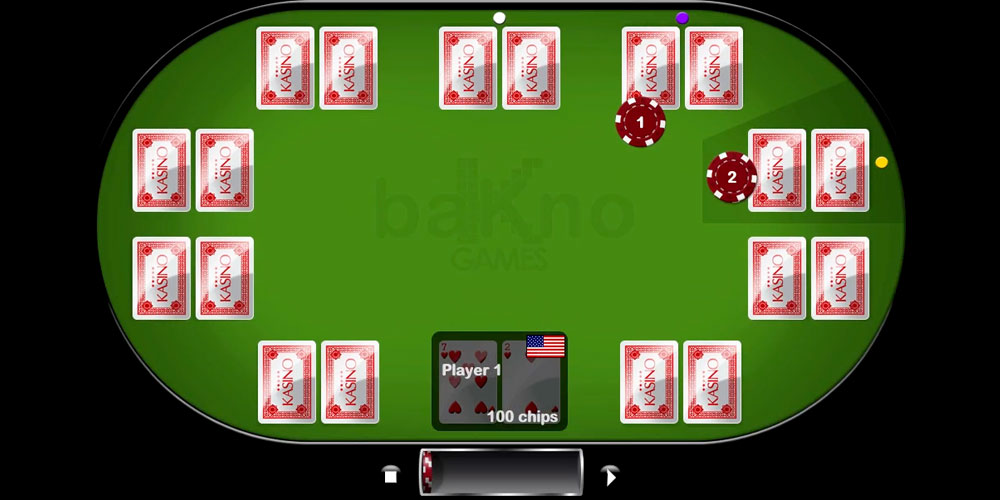
You can win more often by combining disciplined bankroll control, attentive read of opponent patterns, and selective aggression that maximizes value when your hand or position favors you. Use consistent bet sizing, watch timing and tendencies, and fold more than you bluff to convert small edges into steady wins.
This article shows specific tactics professionals use: how to spot tells, manage card combinations and position, exploit platform features, and avoid costly habits. Expect practical, actionable steps you can apply right away to sharpen your play and protect your stake.
Understanding Ceme Online Basics
You’ll learn how cards are dealt and scored, what sets online ceme apart from traditional domino, and why table position changes your decision-making and risk. Focus on mechanics, scoring, and positional effects to apply professional-level tactics.
Rules and Gameplay Overview
Ceme uses two domino-like cards per player, each card showing pips from 0–6. The dealer deals two cards; your hand value equals the last digit of the pip sum (e.g., 8 → 8, 14 → 4). Hands of 9 and 8 rank highest; ties often default to dealer advantage depending on site rules.
Betting happens before reveal. You place a stake against the dealer or other players depending on the platform. Some rooms allow side bets or raises; others use fixed ante.
Timing matters: online tables enforce strict betting windows. Learn the site’s timer and minimum/maximum bet limits to avoid forced folds or overexposure.
Know rule variants: some platforms treat pairs, doubles, or special combinations differently. Check the house rules for payout multipliers and dealer rotation before you play.
Differences Between Ceme Online and Traditional Domino
Online ceme uses digital shuffling and automated dealing, which eliminates physical tells and manual errors. That increases consistency but removes observational cues like card handling and eye movement.
Most online platforms display rapid hand histories and statistics. You can review past rounds, track dealer frequency, and calculate empirical win rates—tools unavailable in live play.
Payout structures often vary online: some sites give fixed odds, others use pooled pots. Network latency and interface design influence timing of bets and reaction strategies. Watch for platform-specific rules on ties and reconnections to avoid unexpected losses.
Positioning and Its Influence
Your seating relative to the dealer affects information and betting posture. Acting later gives you more data—see other decisions before you commit. Acting first forces independent decisions and higher variance.
Dealer position usually carries a built-in edge on ties or last-resolve rules; factor that into your risk tolerance. When you’re near the dealer rotation point, adjust bet sizing because dealer advantage may switch next round.
Table composition matters: aggressive players to your left can pressure you into tighter play, while passive players let you exploit weaker bets. Track tendencies and adapt your position-based sizing and bluff frequency accordingly.
Reading Opponent Patterns
You will learn to recognize betting habits, detect likely bluffs, and shift your play to exploit specific opponents. Focus on measurable actions: bet sizes, timing, and frequency of raises or folds.
Identifying Common Betting Behaviors
Track each player’s bet sizes across multiple rounds to spot consistency. Note players who always open small, those who raise aggressively after a loss, and those who only increase stakes when sitting on strong hands.
Log timing patterns too. Quick calls often indicate marginal hands or automated play, while long pauses before large bets may signal genuine decision-making or deliberate deception.
Use a simple table to record tendencies:
- Player: bet size ranges
- Frequency: raises per 10 hands
- Timing: instant / delayed actions
- Tilt indicators: bets after losses
Update your notes after every session. Over several dozen hands, patterns crystallize and let you predict likely actions with practical accuracy.
Spotting Bluffs in Ceme Online
Bluffs often show through inconsistent bet sizing relative to table history. If a player suddenly bets large despite usually folding to pressure, treat that as a candidate for a bluff rather than an automatic fold.
Watch timing and sequence. A rapid large bet immediately after seeing others fold is common bluff behavior. Conversely, long hesitation followed by a large raise can be a sign of a real strong hand.
Combine behavioral cues with pot and position context. Bluff more likely when the pot is small, you’re last to act, and the opponent has a record of folding under pressure. Use selective calling to test suspected bluffers rather than chasing every unusual bet.
Adjusting Strategy Based on Opponents
Adapt your opening ranges by opponent type. Against frequent raisers, tighten your starting bets and plan to 3-bet with premium hands. Versus passive callers, widen your range and apply controlled aggression to steal pots.
Change bet sizes deliberately to disrupt opponents’ read. Mix small and large bets when you want to appear unpredictable. If an opponent folds to pressure 70% of the time, increase your bluff frequency in late position.
Keep a rotation of counter-strategies. When someone adjusts to you, switch tempo and sizing the next rounds. Consistent, small adjustments maintain an edge and let you exploit emerging weaknesses without exposing your own patterns.
Advanced Card Management Strategies
You will learn how to prioritize card combinations, calculate realistic probabilities, and adjust tactics based on whether you act as banker or player. Focus on practical, repeatable steps that improve decision quality under time pressure.
Optimal Card Combinations
Identify the card pairs and triples that give you the highest win expectancy in Ceme. Prioritize combinations by raw value first (pairs that sum to high points, e.g., 9 or 8 in variants using modulo scoring), then by kicker potential when values tie.
Use a quick ranking checklist during play:
- Highest-value pair or natural high total.
- Pair plus a high kicker card.
- Two close-mid cards that convert to a high total with one more draw.
Fold or reduce bet size when you hold marginal combinations without positional advantage. When you can swap or decide early, favor preserving flexible hands that can become top totals with one small change.
Maximizing Probability and Outs
Count visible cards and recent outcomes to estimate remaining outs. Track which high-value cards have appeared; subtract those from the deck to adjust your estimated probability of improving.
Apply simple math: compute your outs, then convert to approximate percentage (outs × 2 for one draw, × 4 for two draws as a quick rule of thumb). Use that percentage to compare against pot odds and your required return on a call or raise.
Limit mental overhead by monitoring only high-impact ranks (typically 3–4 ranks) rather than every single card. When the probability to improve is below your pot-odds threshold, switch to defensive play or bluff selectively depending on reads.
Banker Versus Player Position Tactics
As banker, you control tempo and can lean on narrower margins. Bet sizing should pressure marginal hands while protecting your edge; use slightly larger bets when you hold top-value combinations. Reduce variance by folding speculative hands early and avoid risky raises without clear outs.
As player, exploit positional information and reaction timing. Use smaller probes to test the banker’s strength and seize opportunities when banker shows weakness. When you act after the banker, adapt bet size to the banker’s tendencies—raise selectively when you have a high-probability hand or when the banker overfolds.
Keep a short mental file on each opponent’s typical behavior in each role. Adjust aggression and hand-selection accordingly to maximize long-term win rate.
Psychological Approaches to Gain Advantage
You will control emotions, shape opponents’ perceptions, and manage tempo to create consistent edges. Each technique relies on deliberate small actions you can practice and repeat.
Maintaining Emotional Control
You prepare before sessions with a clear bankroll limit and a stop-loss threshold to prevent tilt from one bad round. When a loss hits, use a two-minute breathing reset and skip one hand to reset focus; these simple interruptions reduce impulsive raises.
Track triggers that push you toward revenge plays, such as short losing streaks or comments from other players. Log these moments after play and adjust strategies—lower stakes or tighter starting hands—until you regain balance.
Use routine cues to maintain calm: consistent posture, controlled breathing, and brief breaks every 30–45 minutes. These habits minimize physiological reactions that telegraph frustration and keep your decision quality steady.
Manipulating Table Perception
You decide how opponents view you by standardizing visible actions. Bet sizing patterns should be consistent: small bluffs use the same chip stacks and timing as value bets, so opponents can’t reliably separate them.
Vary nonverbal signals deliberately but sparingly. For example, adopt a neutral facial expression for most hands, then occasionally add a brief stare or sigh when showing strong cards to seed doubt. Do not overuse these cues; predictability undermines their effect.
Record opponents’ reactions to your moves and adapt a simple read sheet: note who folds to pressure, who calls down light, and who reacts to timing. Use that sheet to target specific players with tailored bluffs or pressure plays.
Setting the Pace of the Game
You control tempo to exploit opponents who prefer fast or slow rhythms. Speed up after a win streak to force less experienced players into rushed decisions. Slow the game when facing opponents who rely on intuition; longer pauses increase doubt and mistakes.
Adjust your timing based on position and stack sizes. In late position with a short stack, act quickly to deny information. When deep-stacked against a cautious player, lengthen decisions to make them uncomfortable and more prone to folding.
Use structured timing to mask hand strength. Delay your bet by 5–8 seconds on marginal hands and act instantly on strong hands to create a consistent association opponents misread. Track which timing tactics yield folds and repeat those in similar contexts.
Bankroll and Risk Management
You need clear rules for how much you will risk, when to stop, and how to size bets so a single session won’t wipe out your funds. Focus on preset limits, consistent stake sizing, and an action plan for losing streaks.
Setting Win and Loss Limits
Decide a daily or session bankroll before you log in. For example, set a session bankroll of $100 and stop when you either win $50 (take-profit) or lose $30 (stop-loss). Write these numbers down and treat them as non-negotiable.
Use percentage-based limits if your overall bankroll changes. A common approach: risk 1–2% of your total bankroll per session and set a win target of 0.5–1% of the bankroll. This keeps sessions proportional and protects long-term capital.
Automate where possible. Leave the table when limits hit, or use account tools to restrict play. Discipline around these limits prevents tilt and reduces the chance you chase losses with larger, reckless bets.
Managing Stake Sizes
Base each stake on a fixed fraction of your session bankroll. If your session bankroll is $100, choose unit sizes like $1–$3. Change units only after a clear, preplanned gain or loss, not mid-session on impulse.
Adjust stakes to game conditions you can measure. Increase unit size slightly after a sustained positive trend only if you’ve already banked profits that cover previous risk. Avoid progressive systems that exponentially increase bets after losses; those raise variance and can deplete funds quickly.
Keep a simple record of stake sizes and outcomes. Track units won or lost each session and review weekly. That data tells you if your stake plan matches the game’s variance and whether you should reduce unit size to stay sustainable.
Handling Losing Streaks
Predefine how many consecutive losses trigger a stop. For example, stop after three consecutive losing hands or when you lose 20% of your session bankroll. Clear stop rules prevent emotional escalation and protect your base capital.
Switch to conservative play after a streak. Reduce unit size by at least half, avoid side bets, and focus on low-variance decisions until you stabilize. If you hit a hard stop, end the session and take a break of several hours or a full day.
Review losing streaks objectively. Log each session’s length, stake, and result. Look for patterns—time of day, game variants, or distractions—and adjust limits or strategy accordingly to reduce repeated losses.
Leveraging Ceme Online Tools and Features
You will use site tools to track patterns, manage risk, and set up a playing environment that suits your strategy. Focus on measurable metrics and interface settings that reduce mistakes and improve decision speed.
Utilizing Statistical Tracking
Use built-in hand history and stat modules to record at least 200 rounds before trusting trends. Track these metrics: win rate by seat, opponent fold frequency, and your average bet size per round. Export CSVs when possible to run quick filters in a spreadsheet.
Pay attention to short-term variance signals: consecutive losses, opponent hot streaks, and unusually high bet sizes. Mark recurring opponents and tag their tendencies (tight, loose, aggressive) so you can adapt your stake and bluff frequency.
Set simple charts — a moving average of your bankroll and a histogram of bet sizes — to spot leaks and seasonality in your results.
Customizing Table Settings
Adjust table layout to prioritize information you use every decision. Increase chip size visibility, enable large cards, and turn on a compact chat to avoid visual clutter. Place the timer and pot-size display where your eyes naturally rest.
Configure hotkeys for quick actions like fold, call, and preset bets to reduce input lag. Use color-coding for tagged players and activate auto-sit/stand rules based on minimum/maximum buy-ins. If multi-tabling, limit active tables to the number where your decision time stays above two seconds per action.
Avoiding Common Pitfalls
You will learn to spot losing patterns, check your mindset after wins, and keep play within safe limits. These practices protect your bankroll and improve decision-making at the table.
Recognizing Unfavorable Patterns
Track results round-by-round and log at least 50 hands to reveal true trends rather than short-term variance. Note dealer outcomes, position at the table, bet sizes, and timing of losses. Use a simple table to record: Date | Table | Position | Bet | Result | Notes.
Watch for these red flags: repeated losses from the same seat, increasing bet size after a loss streak, and frequent ties when you play aggressively. When you see any of these patterns for 10+ rounds, pause and reassess strategy. Reduce bet size by 30–50% and switch position if possible until you confirm the pattern has broken.
Use objective checks: set a loss threshold per session (e.g., 5–10% of your bankroll) and stop when reached. Reviewing your log weekly helps separate skill issues from variance.
Overcoming Overconfidence
After a winning streak, avoid inflating bet sizes based on perceived “hot runs.” Your decisions should reflect expected value, not recent outcomes. Fix bets to a percentage of your bankroll (1–3%) to prevent runaway stakes.
Implement a simple rule: if you win three consecutive rounds, maintain your standard stake for the next five rounds. If you deviate, record the reason before increasing stakes. This creates accountability and prevents impulsive escalations.
A brief cooling-off period—5–15 minutes—after big wins or losses resets emotion. During that break, review your last 20 hands and confirm whether any change in strategy is justified by objective results rather than confidence or frustration.
Ensuring Responsible Gaming
Set firm financial and time limits before you log on. Use preset deposit limits, session timers, and an absolute loss cap for the day. Treat these limits as non-negotiable rules.
Keep a separate bankroll for Ceme and avoid mixing it with living expenses. If you notice chasing losses, borrowing to play, or playing beyond set hours, suspend play immediately and seek support resources. Many platforms offer self-exclusion and cooling-off tools; activate them when patterns indicate risk.
Remember to balance play with regular breaks, hydration, and other activities. Responsible habits sustain your ability to make clear, rational decisions at the table.
Continued Learning and Adaptation
You will refine your skills by reviewing how you play and by tracking emerging tactics used by strong players. Focus on measurable changes: which bets, positions, and timing produced gains or losses.
Analyzing Game Sessions
Record key data after every session: bankroll start/end, number of hands, position distribution, bet sizes, and notable bluffs or reads that worked or failed. Use a simple table or spreadsheet with columns for Date, Hands, Net Result, Positions Played, Biggest Win/Loss, and Notes to spot patterns quickly.
Review sessions weekly. Look for recurring leaks such as overbetting from early position or calling marginal hands on tilt. Tag hands you want to study further and replay them slowly to question each decision — why you bet, fold, or called — and whether alternate plays would have reduced variance or increased EV.
Use short focused drills between sessions. Practice position-specific scenarios or bluff-frequency exercises for 10–20 minutes to reinforce correct reactions without overloading your schedule.
Staying Updated with Strategic Trends
Follow reliable sources that publish clear, evidence-based adjustments: community forums where pros discuss meta shifts, analytical blogs that show hand-frequency changes, and video breakdowns from reputable players. Prioritize content that includes sample hands and rationale over vague “feel-based” advice.
Track rule or software changes on major platforms that affect timing, seating, or bet structures, since those can change optimal strategies. When you learn a new line—such as adjusted bluff frequencies or bet-sizing ranges—test it in low-stakes tables first and log the outcomes.
Maintain a short reading list and rotate it monthly. Include one analytical article, one forum thread with annotated hands, and one video breakdown. Apply small, measurable changes at a time so you can attribute results to the specific adaptation.