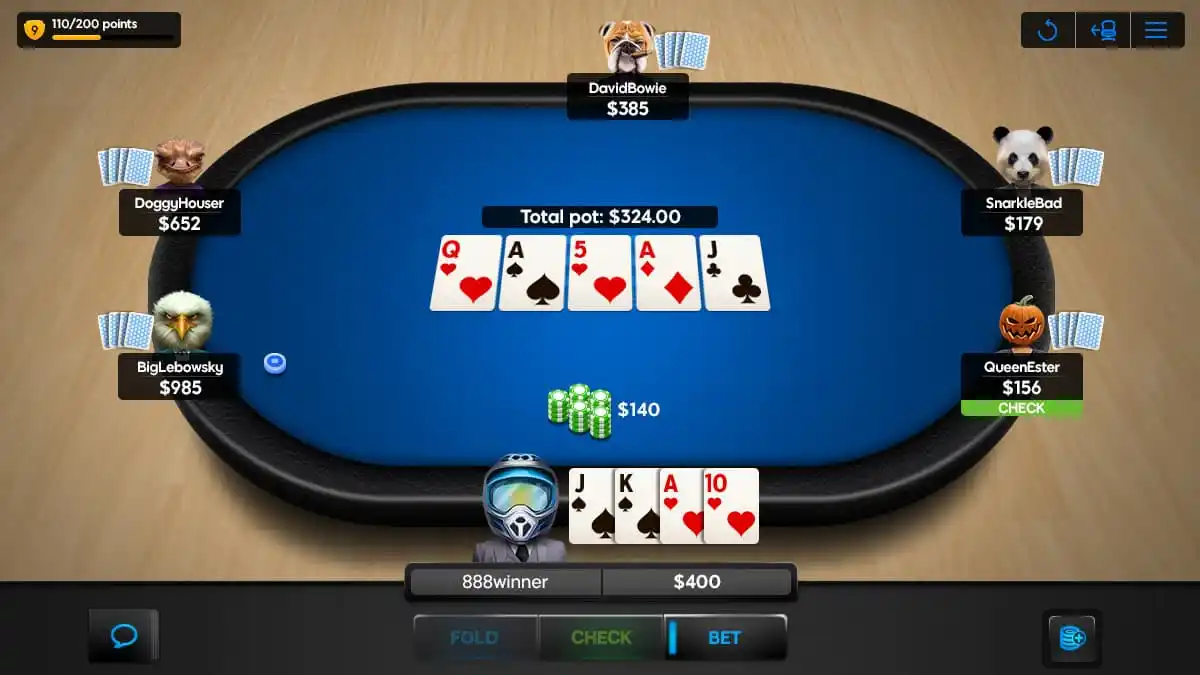
You can improve your Ceme online results by combining solid rule knowledge, disciplined bankroll management, and situational strategies that adapt to table dynamics. Focus on consistent decision-making—knowing when to bet, fold, or bluff based on opponent behavior and your stack size will raise your win rate more than chasing lucky hands.
This article guides you through practical tactics, from basic hand evaluation and position play to advanced reads, psychological control, and tech tools that give an edge without breaking ethics. Expect clear steps you can apply each session to build sustainable skill and avoid common, costly mistakes.
Understanding Ceme Online
Ceme is a fast card game where betting, hand strength, and reading opponents determine outcomes. You’ll need to know the core rules, the terms other players use, and which table types affect your strategy.
Game Rules Overview
Ceme uses one deck and compares two-card hands between the dealer (bandar) and each player. Each player receives two cards; values are summed and only the last digit (0–9) counts as the hand score. Higher digit wins; ties favor the bandar in many variants.
Betting happens before cards are revealed. You can act as a regular player or challenge to be the bandar — the bandar covers players’ bets and wins ties but also bears larger losses. Payouts are typically 1:1 on wins, though side rules (like pair bonuses) can change payouts.
Timing and turn order matter. Players place bets, cards are dealt, then the bandar compares with each player individually. Learn the house rules at any platform you use; small rule differences alter bankroll management and optimal play.
Key Terminology
- Bandar: The dealer/house player who covers player bets and wins ties in most formats. Taking the bandar role changes risk profile and potential edge.
- Hand score: Sum of two cards’ pip values mod 10 (only last digit counts). Example: 7 + 6 = 13 → score 3.
- Pair (pair): Two identical ranks in a hand; some sites pay bonuses for pairs or specific pair types.
- Ante/Bet: The initial wager you place to participate in a round. Raise and rebet options depend on site rules.
- Showdown: When cards are revealed and outcomes decided. You’ll see wins/losses resolved against the bandar.
- Table limit: Minimum and maximum bets allowed per table. Respect limits for proper bankroll control.
Keep the terminology in mind while you watch a few rounds. Noticing how others call bets and react gives practical context for these terms.
Types of Tables
Tables differ mainly by bandar structure and betting limits. Common table types include:
- Fixed Bandar: A permanent bandar occupies the dealer role for multiple rounds. This favors consistent strategy against a single bandar.
- Rotating Bandar: The bandar role passes among players or is open to challenge each round. This increases variance and requires flexible bankroll tactics.
- Private/High-stakes Tables: Higher minimums and fewer players; read opponents closely and use stricter risk control.
- Public/Low-stakes Tables: Lower limits and more unpredictable play; good for practice and testing moves.
Also note rule variants like pair bonuses, side bets, or tie-rule differences. Check the table’s rule sheet before joining. Match your risk tolerance to the table type to protect your bankroll and apply appropriate strategies.
Core Strategies for Consistent Wins
Focus on extracting maximum information from your two cards, choose seats and tables that match your risk profile and skill edge, and manage stake sizes so losses never force reckless decisions.
Effective Card Analysis
You must evaluate your two cards by rank, suit, and their relative value to common outcomes. Prioritize pairs and face-high combinations; these give the highest single-hand win potential in Ceme. Note whether your cards form potential ties or dominate likely dealer outcomes.
Track short-term patterns at the table: which hand types win most often in recent rounds, but avoid treating streaks as predictive. Use a simple checklist before betting:
- Pair or both face cards: raise or match confidently.
- Mixed low cards: play cautiously or fold if allowed.
- One high + one low: size bets conservatively.
Record results for 20–50 hands to calibrate how often your holdings beat the dealer at that table. Adjust aggression based on that empirical win rate, not intuition.
Positioning and Table Selection
Choose tables where average bet sizes match your bankroll and where you can observe several rounds before entering. Sit near the dealer if visibility matters on online renders, but more importantly pick tables with lower variance profiles—fewer large swings in recent history.
Evaluate table composition: players who consistently make large aggressive plays increase variance and favor short, conservative sessions. Prefer tables where players show predictable sizing; you can infer their tendencies and exploit misbets. Use these rules:
- Enter only after 5–10 rounds of observation.
- Avoid tables with repeated all-in behavior.
- Switch tables if your win rate drops for 30 consecutive hands.
Positioning across multiple tables can help you apply different strategies simultaneously, but only if you can maintain focus. Limit multitabling to 2–3 tables maximally.
Bankroll Management
Set a fixed session bankroll and a single-hand cap expressed as a percentage of that session (commonly 1–3%). This prevents any single loss from forcing poor decisions. Use tiered bet sizes: small opening bets, medium for favorable hands, and a defined maximum for premium hands.
Keep a stop-loss and profit-target for each session. Example rules:
- Stop-loss: 10–15% of session bankroll.
- Profit target: 20–30% of session bankroll.
Adjust these percentages based on your risk tolerance and real results. Replenish bankroll only from discretionary funds and never chase losses. Maintain a session log recording hand type, bet size, and outcome to refine sizing rules over time.
Advanced Gameplay Techniques
These techniques focus on extracting reliable reads, creating profitable deception, and choosing exact moments to play aggressively. Apply them only after you’ve tracked hands and bankroll impact across several rounds.
Reading Opponent Patterns
Track each opponent’s bet size, timing, and reaction when cards are revealed. Log tendencies: tight players fold early under pressure, while loose players call small raises. Use a simple table to record patterns:
- Player ID | Typical Bet Size | Reaction to Raises | Fold Frequency
- P1 | 1–2x base | Rarely raises | Folds 40%
- P2 | 3–5x base | Bluff attempts | Folds 20%
Spot sequencing: if an opponent raises immediately after you show weakness twice, expect a squeeze next time. Adjust by tightening your calling range versus frequent raisers and widening it against passive callers who rarely challenge.
Maximizing Bluffing Opportunities
Bluff selectively when the pot odds and story align. Bluff after you’ve shown consistent conservative play for several hands; the table will assign you credit for strong holdings. Prefer bluffs that require a single fold to win rather than multiple calls.
Use this checklist before bluffing:
- Pot size vs. bet: Can a single bet win the pot?
- Opponent profile: Are they likely to fold to pressure?
- Board texture: Does the community make plausible strong hands?
Execute bluffs with consistent bet sizing and timing to sell the narrative. Avoid large, erratic bets that contradict your recent behavior.
Optimal Timing for Bold Moves
Bold moves work best immediately after momentum shifts or when opponents are short-stacked. Target moments when at least one player shows hesitation or repeatedly checks. These are high-probability windows to force folds.
Consider these timing rules:
- Attack after opponents miss obvious draws.
- Make bold raises on the first betting round when action has been passive.
- Avoid big risks when multiple active callers remain.
When you choose to make a bold move, commit with sizing that pressures marginal hands but preserves fold equity if re-raised.
Psychological Factors in Ceme
Your attention control and emotional responses shape decision quality and bankroll longevity. Focused observation, disciplined timing, and quick recovery from losses directly affect bet selection and risk management.
Maintaining Focus During Play
You should eliminate distractions before you start: silence notifications, close unrelated tabs, and set a single device for play. Visual cues matter — track recent hands and opponent bet sizes on a simple chart or notebook to spot patterns faster.
Use timed sessions to preserve concentration. Work in 20–40 minute rounds with 5–10 minute breaks to reset attention and prevent mental fatigue. During breaks, stand, stretch, and avoid checking other games.
Adopt a checklist for each hand: hand strength, opponent tendency, current bankroll portion at risk, and pot odds. This short list forces concrete choices and reduces impulsive bets. Review mistakes only after sessions, not mid-game, to keep focus on present decisions.
Managing Tilt and Emotions
Recognize tilt triggers specific to you: consecutive losses, bad beats, or personal stress. Label the feeling immediately — anger, frustration, fatigue — and apply a pause rule when any label appears. A mandatory 5–15 minute break after a triggered event stops escalation.
Use bankroll rules to limit emotional stakes. Set a session loss cap and a maximum single-bet percentage (for example, 2–3% of your session bankroll). These constraints reduce pressure and make it easier to exit calmly.
Practice breathing or grounding techniques to lower physiological arousal: inhale for 4 seconds, hold 4, exhale 6. If emotion persists, switch to a low-stakes table or log off. Keep a short post-session journal noting triggers and corrective actions so you refine emotional control over time.
Leveraging Technology for an Edge
You can use simple software and data tracking to turn subjective feel into measurable advantage. Focus on tools that let you quantify card outcomes, session results, and bet sizing so you can adjust strategy with evidence.
Using Statistical Tools
Use a spreadsheet or lightweight statistical app to log each hand, bet size, opponent count, and result. Track columns such as: date, session length, hands played, bankroll start/end, bets placed, win/loss, and notes on opponent behavior.
Calculate basic metrics weekly: win rate per 100 hands, average bet, variance (standard deviation), and return on bankroll. These numbers show whether a change in your play actually improves results.
Consider simple probability checks for hand-strength frequency. For example, estimate how often a specific hand appears among active players and compare that to your observed frequency. Use conditional probabilities to refine decisions—for instance, fold thresholds when pot odds are unfavorable. Avoid overfitting: keep sample sizes above a few hundred hands before trusting a pattern.
Tracking Your Performance
Keep a chronological performance log to spot tilt, streaks, and bankroll leaks. Record emotional state and distractions for each session in a short note field. Over time, correlate high-tilt entries with negative ROI to justify session breaks or rule changes.
Create visualizations: a running bankroll chart, heatmap of table positions, and histogram of bet sizes. Visual cues help you see trends faster than raw tables. Set concrete, testable goals (e.g., increase win rate by 10% over 1,000 hands) and run A/B comparisons when you change a tactic. Use timestamps to evaluate time-of-day effects and avoid survivor bias by including losing sessions in your analysis.
Common Mistakes to Avoid
Focus on accurate hand reading and disciplined bankroll choices; small errors in either area erode your edge quickly.
Misjudging Hand Strength
You must assess your two-card total against the dealer’s visible behavior and betting patterns, not wishful thinking. Treat a 7–9 differently from a 4–6: the former often justifies a cautious raise, while the latter usually calls for folding or minimal investment.
Look at the table history: repeated small wins by an opponent can reflect conservative play rather than strong hands. Adjust your actions when a player consistently bets large only with confirmed wins.
Avoid relying solely on a single past result to predict the next round. Re-evaluate hand strength each deal based on current cards and stack sizes. Use basic thresholds for action so emotion doesn’t inflate weak hands into risky calls.
Overbetting and Chasing Losses
Set a preset session bankroll and a per-hand maximum before you sit down. Increasing bet size after a loss rarely recoups the deficit; it usually accelerates depletion of your funds.
Manage bet increments: small, planned increases for streaks are acceptable, but doubling after each loss (martingale-style) exposes your entire bankroll to one bad run.
If you feel compelled to chase, step away for a break or reduce your stake to the table minimum. Track your loss patterns and enforce stop-loss limits to prevent a single session from wiping out progress you made with sound strategy.
Building Sustainable Long-Term Success
Sustainability starts with disciplined bankroll management. Set a clear budget for sessions, split it into small stakes, and never chase losses; this preserves your ability to play over time and reduces stress.
Develop a consistent study routine to improve skill rather than rely on luck. Review hands, track results, and note patterns in your play and opponents’ tendencies to make incremental, evidence-based improvements.
Balance aggression and patience based on table dynamics. Use selective bluffing and position awareness, but avoid forcing plays when the math and reads do not support them.
Protect your mental state during and between sessions. Take regular breaks, limit consecutive play hours, and step away after big swings to prevent tilt from eroding long-term performance.
Adopt a growth-focused mindset: set measurable goals, such as win-rate targets or error-reduction metrics, and revisit them monthly. Small, consistent adjustments compound into meaningful gains.
Use a simple habit checklist to keep processes reliable:
- Pre-session: bankroll check, table selection, clear goals.
- In-session: stake discipline, note-taking, pause after major losses.
- Post-session: review key hands, update statistics, rest.
Limit gambling-related harms by setting loss and time limits enforced by tools or accountability partners. Responsible play safeguards both your funds and your ability to pursue long-term improvement.
Community and Ethical Play
You will learn how to use community knowledge to sharpen your skills and how to keep play honest so your results reflect true ability and not shortcuts. Practical interactions and clear ethical choices protect your bankroll and reputation.
Engaging With Player Communities
Join active forums, Telegram groups, or Discord channels focused on ceme to exchange hand reads, situational strategy, and bankroll approaches. Look for threads or pinned posts that archive sample hands and post-match analyses; these give concrete patterns you can practice.
Participate by sharing sanitized hand histories (remove personal IDs and site names) and ask for specific feedback: odds assessment, betting size reactions, or alternative lines in given rounds.
Use community-run study sessions or scheduled review games to test changes to your play under low stakes. Track advice you receive in a simple spreadsheet: source, suggested change, and measured result over 50–100 hands. This makes community input actionable and verifiable.
Fair Play and Integrity
Respect site rules and avoid any tools or behaviors that give you an unfair edge, such as collusion, multi-accounting, or using bots. Those actions risk account suspension and legal or financial consequences on many platforms.
When you suspect cheating, document timestamps, hand IDs, and player names, then report through the site’s official channel rather than confronting players directly. That preserves your safety and helps operators investigate effectively.
Maintain bankroll discipline and avoid borrowing or facilitating deposit schemes that tie you to unethical partners. Your long-term ability to play and improve depends on clean, documented wins and a reputation for honest behavior.